
Losing a loved one is overwhelming enough without the added burden of figuring out what to do with an entire household of belongings. Whether you’re an executor, a family member, or the next of kin, understanding estate cleanout costs upfront can bring clarity during a chaotic time. In this guide, we break down real-world pricing, walk you through the process step by step, and share practical strategies — many learned from families who’ve been exactly where you are — to help you manage both the financial and emotional weight of cleaning out a home after death.
Estate cleanout in central Indiana?
Veteran-owned, 600+ five-star reviews, multi-load scheduling around your timeline, payment at closing available for property sales, free on-site quote.
What Is an Estate Cleanout and When Should You Start One?
Defining an Estate Cleanout After a Death
An estate cleanout is the complete removal of personal belongings, furniture, appliances, and debris from a deceased person’s home to prepare it for sale, rental, or transfer. It differs significantly from regular junk removal because it often involves carefully sorting valuables, sentimental items, legal documents, and potential heirlooms from items that can be donated or disposed of.
The process may also require coordination with probate courts, estate attorneys, and other heirs before any items are removed. Understanding the full scope of estate cleanout services before you begin can help you plan more effectively and avoid costly missteps.
When to Begin the Cleanout Process
Before touching anything in the home, confirm your legal authority. Executors should wait until letters testamentary are issued or the will is validated before removing property. Jumping ahead can create legal complications with other heirs or the court.
Small estates may bypass full probate, which can accelerate the timeline considerably. The IRS provides guidance on estate-related tax and transaction rules, but you should verify your specific state’s procedures before proceeding. Most families begin the physical cleanout 2–6 weeks after the death, though hoarding situations or contested estates can delay the process by months.
The Emotional Reality Most Guides Ignore
What most cost guides don’t tell you is that the emotional toll can be as significant as the financial cost. Touching a loved one’s belongings — their handwriting on a note, their favorite coffee mug, a coat that still smells like them — triggers grief in unexpected waves. Resources on handling belongings of the deceased can help you prepare for these moments.
Families who attempt DIY cleanouts of heavily accumulated properties report that the process can stretch beyond nine months and lead to deep regret about not hiring help sooner. Give yourself permission to take breaks, enlist emotional support, and recognize that this process is grief work, not just manual labor.
How Much Does an Estate Cleanout Actually Cost?
Average Estate Cleanout Cost Ranges
-
Small home or apartment (1–2 bedrooms): $1,000–$3,000 for a standard cleanout with moderate belongings
-
Mid-size home (3–4 bedrooms): $3,000–$7,000 depending on volume, condition, and accessibility
-
Large estate or heavily furnished home: $7,000–$15,000+; one real-world example involved a $9,000 job completed for a trustee after a death, covering a full-size home with decades of accumulated belongings
-
Severe hoarding situations: $15,000–$100,000+ in extreme cases; many companies refuse these jobs or charge significant premiums
Cost Breakdown by Service Type
-
Junk removal company (load-based pricing): $300–$800 per truckload; most homes require 2–5 loads
-
Hourly labor rates: $25–$75 per worker per hour; a 4-person crew for a full day runs $800–$2,400
-
Flat-rate estate cleanout packages: $1,500–$10,000+ depending on scope; get at least three written quotes
-
Dumpster rental (DIY approach): $300–$600 per dumpster for 10–20 yard containers, plus potential permit fees of $25–$100+
When comparing load-based pricing, understanding how junk removal pricing works — typically by truck volume rather than weight — helps you estimate costs more accurately.
Estate Cleanout Cost by Property Type
-
Single-family home: $2,500–$8,000 average; the most common scenario with the widest price variation based on accumulation level
-
Condo or apartment: $1,000–$4,000; smaller square footage but may involve elevator fees or HOA restrictions
-
Rural properties with outbuildings: $5,000–$15,000+; barns, sheds, and garages often contain heavy equipment, chemicals, or decades of accumulation
Don’t forget about off-site storage. Storage units tied to the estate can cost $500–$2,500 per unit to clean out, plus ongoing monthly rent of $100–$300+ if the process is delayed — making storage unit cleanouts a priority for controlling costs.
What Factors Drive Estate Cleanout Costs Up or Down?
Property Size, Volume, and Condition
Square footage matters less than the sheer volume of belongings inside. A cluttered 1,200-square-foot home can cost more to clean out than a minimally furnished 3,000-square-foot home. Homes with basement, attic, and garage accumulation can easily double the estimated cost.
Properties in poor condition — think mold, pest infestations, or structural damage — require specialized handling that increases pricing significantly. Always have the property assessed before committing to a flat-rate quote.
Hazardous Materials and Biohazard Situations
Biohazard cleanup from an unattended death or bodily fluids adds $2,000–$25,000+ depending on severity. Companies that offer specialized removal services for these situations carry specific certifications and insurance that standard haulers don’t.
Hazardous materials like paint, chemicals, asbestos, and medical waste require licensed disposal at $500–$3,000+. Before paying out of pocket, contact the deceased’s homeowner’s insurance provider — biohazard cleanup costs may be covered under the policy, and this is one of the most frequently overlooked cost savers.
Hidden Costs That Catch Families Off Guard
-
Ongoing mortgage, rent, or HOA fees: Every month the cleanout drags on costs the estate $1,000–$3,000+ in carrying costs; some families report $1,500/month in building rent alone during extended cleanouts
-
Dumpster permits and landfill fees: Many municipalities require permits for driveway dumpsters ($25–$200) and charge per-ton disposal fees
-
Utility costs: Keeping electricity, water, and HVAC running during the cleanout period adds $100–$400/month
-
Appraisal fees for valuables: Professional appraisals for jewelry, art, antiques, or collectibles run $100–$500+ per item but may be required for fiduciary compliance
Should You DIY, Hire an Estate Sale Company, or Use a Junk Removal Service?
DIY Estate Cleanout: Pros, Cons, and True Costs
A DIY approach has the lowest upfront cost but the highest time investment. Budget 40–200+ hours for a typical 3-bedroom home, and significantly more for hoarding situations. You’ll still need to pay for dumpster rental ($300–$600), donation hauling, and potentially specialized disposal.
This route is best suited for small estates where family members live nearby, have available time, and the emotional bandwidth to sort through belongings personally. Avoid the trap of trying to sell items individually or renting an antique mall booth — families consistently report this creates far more work than it’s worth unless items are genuinely valuable.
Estate Sale Companies: When They Make Financial Sense
Estate sale companies take 30–50% commission but handle pricing, marketing, staging, and selling — ideal for homes with furniture, antiques, collectibles, or other saleable items. As Next Avenue explains in their guide on outsourcing a parent’s estate clearance, hiring professionals can save families enormous amounts of time and emotional energy.
A well-run estate sale can generate $2,000–$20,000+ in revenue, potentially offsetting or exceeding the cleanout cost. MaxSold and online auction platforms offer a middle ground — they sell items online and coordinate buyer pickup, reducing effort. However, some professionals note that navigating estate sale challenges involves complexities that online-only sales may not address as effectively. Always request references, verify insurance, and get the commission structure in writing before signing any contract.
Professional Junk Removal and Full-Service Cleanout
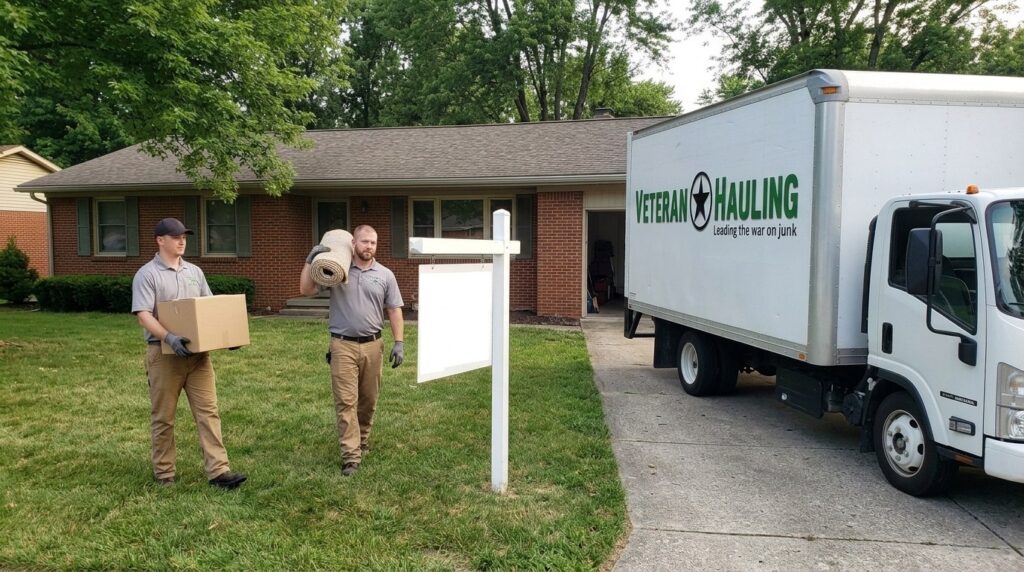
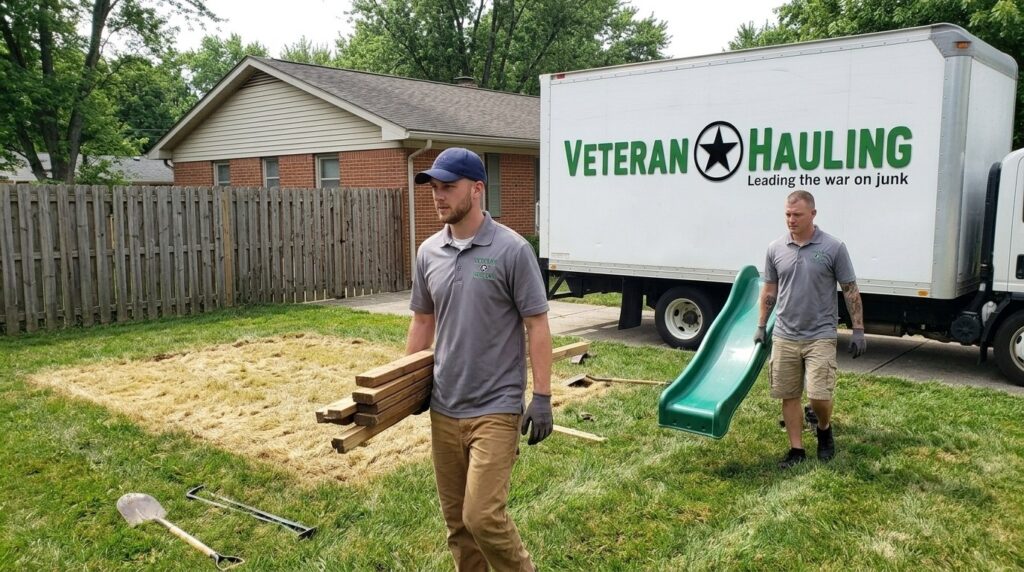
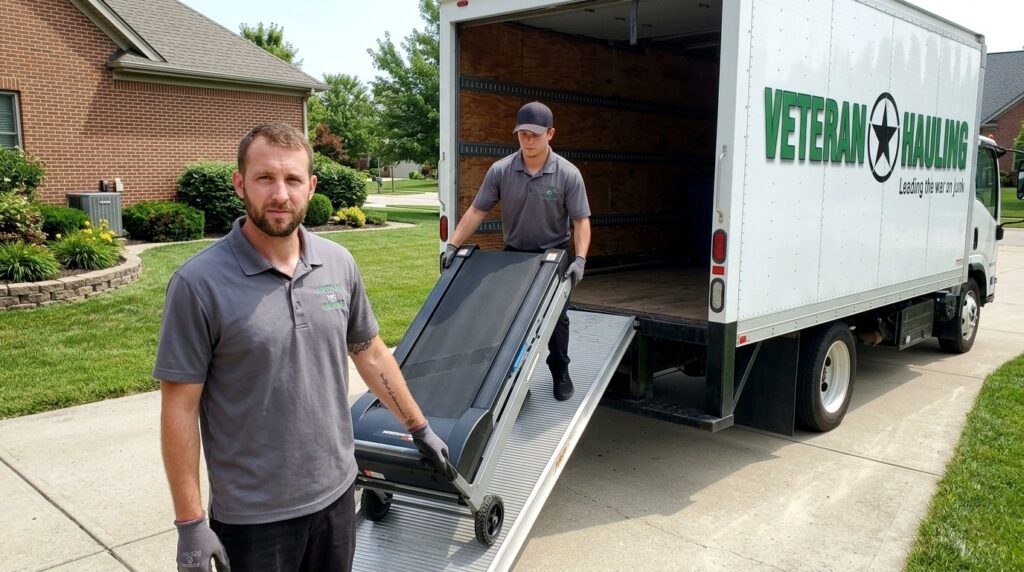
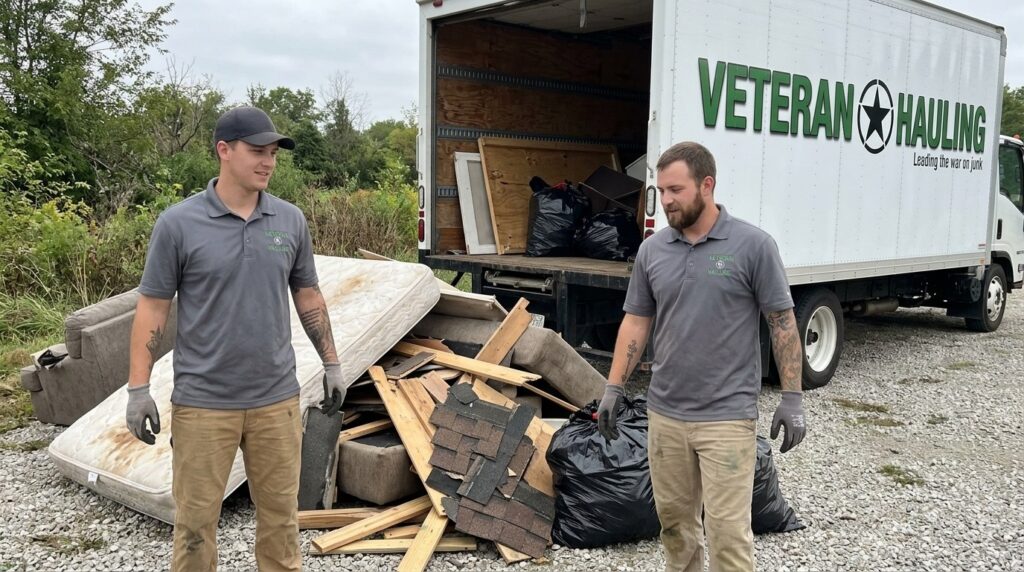
Professional cleanout services are the strongest option when items have little resale value, the family is out of state, or speed is a priority to stop carrying costs. Families in the Indianapolis area often find that estate cleanouts in Indianapolis completed in 1–3 days save thousands in ongoing carrying costs compared to a months-long DIY effort.
Understanding how companies price jobs — truck volume, labor hours, disposal fees, and markup — helps you negotiate effectively. Ask for itemized quotes rather than accepting a single lump sum. Many services will donate usable items on your behalf, providing tax-deductible receipts for the estate, similar to programs run by organizations like Habitat for Humanity’s family cleanout program.
What Are the Legal Responsibilities of the Executor During an Estate Cleanout?
Fiduciary Duty and Protecting Heir Interests
Executors have a legal fiduciary duty to act in the best interest of all heirs — this means you can’t simply throw everything away or give items to one family member without proper process. Document everything with photos and video before removing any items, and create an inventory of potentially valuable belongings.
Get professional appraisals for high-value items like jewelry, art, firearms, and collectibles to demonstrate a good-faith effort in obtaining fair value. This documentation protects you legally and provides transparency for all beneficiaries.
Navigating Family Disputes and Distribution
Allow all heirs to walk through the home and identify items they want before the cleanout begins — but set a clear deadline to prevent indefinite delays. Use a structured selection process such as round-robin picks, sealed bids, or independent appraisal for disputed items.
Keep written records of every decision, expense, and distribution. This paper trail protects you legally and reduces conflict, which is especially important when emotions are running high and family dynamics are strained.
Probate Considerations and Timeline Impact
In most states, the executor cannot legally sell or dispose of estate property until granted authority by the probate court. Small estate affidavit processes — typically for estates under $50,000–$150,000 depending on the state — can bypass full probate and accelerate the cleanout timeline. Federal legislation such as the Real Estate Settlement Procedures Act also shapes how property transactions tied to estates are handled at the federal level.
Factor the cleanout into the broader inherited property sale timeline. From death to closing typically takes 6–18 months, and the cleanout is often the bottleneck that delays everything else.
Estate cleanout in central Indiana?
Veteran-owned, 600+ five-star reviews, multi-load scheduling around your timeline, payment at closing available for property sales, free on-site quote.
How Can You Reduce Estate Cleanout Costs With Practical Strategies?
Free and Low-Cost Disposal Methods
-
“Free garage sale” on Craigslist or Facebook Marketplace: Post that everything is free and available for pickup on a specific date — families report clearing 50–80% of items in a single weekend at zero cost
-
Buy Nothing groups: Local community groups where members claim items for free; particularly effective for household goods, clothing, and children’s items
-
Habitat for Humanity ReStores and thrift stores: Many will send trucks to pick up furniture, appliances, and building materials at no charge, and organizations like Habitat for Humanity Pasco County provide tax-deductible donation receipts
Scrap metal recyclers will often pick up old appliances, metal furniture, and tools for free or even pay a small amount, making appliance removal one area where you can actually recoup some money.
Strategic Cleanout Sequencing to Save Money
Follow this proven sequence to minimize costs:
-
Remove valuables and important documents yourself (free)
-
Let heirs take what they want (free, but set a firm deadline)
-
Hold an estate sale or use MaxSold for saleable items (generates revenue)
-
Offer remaining items free via Craigslist or Buy Nothing groups (free disposal)
-
Hire a professional service for what’s left — by this point, you’ve dramatically reduced the volume and cost
By the time you reach step five, you may only need furniture removal for a handful of large items rather than a full-home cleanout, saving potentially thousands of dollars.
Swedish Death Cleaning: A Preventive Approach Worth Sharing
The Swedish concept of “döstädning” (death cleaning) encourages proactive decluttering so loved ones aren’t burdened with a massive cleanout. A simple two-question framework for sentimental items works well: “Does this bring me joy?” and “Will anyone I love want this when I’m gone?”
This concept has gained massive public interest, with related videos earning hundreds of thousands of views. Sharing this idea with aging parents — gently and lovingly — can save families thousands of dollars and months of work. Even partial decluttering that reduces volume by 30–50% can cut professional cleanout costs nearly in half.
What Special Situations Increase Estate Cleanout Complexity and Cost?
Hoarding Cleanouts: A Category of Their Own
Hoarding situations are classified on a 1–5 scale, and levels 4–5 can cost $25,000–$100,000+ while requiring specialized crews. Organizations like SACRD’s hoarding resource directory can be valuable for finding qualified professionals.
Many standard junk removal companies refuse hoarding jobs entirely. Structural damage, pest infestations, and biohazards are common in these homes and may require remediation before or during the cleanout. Check whether insurance covers portions of the cleanup if biohazard conditions are documented by a professional.
Foreclosure and Time-Sensitive Cleanouts
Bank-ordered cleanouts after foreclosure typically have strict deadlines — often 30 days or less — which severely limits cost-saving options. Eviction cleanouts follow different legal requirements, and landlords must follow state-specific rules about storing and disposing of tenant property.
Expedited cleanouts command premium pricing, typically 25–50% above standard rates, due to scheduling urgency. Municipal filings, such as the North Brunswick commercial site plan application, illustrate how local regulatory processes can also affect property timelines and add complexity to estate-related transactions.
Properties With Specialized Items
Firearms require legal transfer procedures and may need an FFL dealer; improper handling creates serious legal liability. Vehicles, boats, and recreational equipment require title transfers and may need towing at $100–$500+ per vehicle.
Medical equipment like hospital beds, oxygen concentrators, and wheelchairs can often be donated to medical equipment lending programs at no cost. Large collections of books, records, or tools may have niche value worth exploring with specialty dealers before disposing of them — families managing estate cleanouts in Columbus with active collector communities nearby may find unexpected value in these items.
Ready to Get Started — What’s Your Best Next Step?
Creating Your Estate Cleanout Action Plan
Start by assessing the property’s size, condition, and volume of belongings to determine which approach — DIY, estate sale, professional cleanout, or a combination — fits your situation and budget. There’s no one-size-fits-all answer, and many families find that a hybrid approach delivers the best balance of cost savings and speed.
Get three written quotes from professional services in your area and compare itemized pricing, not just bottom-line numbers. Families exploring estate cleanouts in Bloomington and similar communities should ask specifically about donation coordination and recycling practices. Calculate your carrying costs — mortgage, utilities, insurance, and taxes — to understand the true cost of delay, because sometimes paying more for a faster professional cleanout actually saves money overall.
Getting Help When You Need It
You don’t have to do this alone. Lean on family, friends, grief counselors, and professional services to share the burden. Whether you’re coordinating estate cleanouts in Greenwood or anywhere else, having support makes an enormous difference in both the process and your wellbeing.
If you’re in central Indiana and need professional estate cleanout help, contact us for a free estimate. Remember that every family’s situation is different — there’s no single “right” way to handle an estate cleanout, only the approach that balances your budget, timeline, emotional capacity, and respect for your loved one’s memory.
The most important thing to remember is this: the goal isn’t perfection — it’s progress. Take it one room, one box, one decision at a time. The financial costs are manageable when you plan ahead, and the emotional weight gets lighter when you don’t carry it alone.