
Watching someone you love live in an unsafe, cluttered home is heartbreaking — and figuring out how to help without damaging the relationship feels nearly impossible. Whether your loved one is struggling with clinical hoarding disorder or has accumulated belongings after a devastating loss, you deserve a guide that treats both of you with dignity. This compassionate cleanup guide is written specifically for Indianapolis families who want real, actionable steps — not a sales pitch — to help their loved one reclaim a safe, livable home.
Hoarding cleanout in Indiana?
Veteran-owned with compassion-first crews who handle hoarding work without judgment, 600+ five-star reviews across central Indiana, free on-site walkthrough.
What Is Hoarding Disorder and Why Does It Make Cleanup So Emotionally Complex?
Understanding Hoarding Disorder vs. Grief-Triggered Accumulation
Hoarding disorder is a recognized mental health condition characterized by persistent difficulty discarding possessions, regardless of their actual value. According to a Senate Committee on Aging report on clutter, the condition often accompanies significant distress and can severely impact a person’s health, safety, and quality of life.
But many Indianapolis families encounter situations that aren’t clinical hoarding at all. Grief after losing a spouse, prolonged depression, illness, or caregiver burnout can lead to overwhelming accumulation that looks like hoarding but requires a different emotional approach.
Recognizing the difference matters. Grief-triggered clutter often responds well to compassionate, one-time intervention paired with ongoing support, while clinical hoarding disorder typically requires long-term therapeutic partnership. The five recognized levels of hoarding — from light clutter to structurally unsafe conditions — help families assess severity and determine whether DIY help, professional cleanup, or emergency intervention is the right starting point.
The Health and Safety Hazards Families Need to Recognize
Fire hazards from blocked exits, tripping and fall risks for elderly residents, and pest infestations are among the most urgent physical dangers. A Massachusetts health boards journal on preemption illustrates how local authorities have long grappled with the public health dimensions of these concerns — they’re the realities that keep family members up at night.
Mold growth, biohazard exposure, and compromised air quality can cause serious respiratory illness for both the person hoarding and anyone entering the home. Structural damage from excessive weight on floors and water damage hidden beneath piles may require professional assessment before cleanup can safely begin.
Overcoming Shame and Embarrassment — The First Real Barrier
The shame surrounding hoarding runs deep. Online communities reveal that people create anonymous accounts just to ask for hoarding help, and browsing sites similar to hoarding cleanup services shows just how many people are quietly searching for guidance, underscoring how isolating this struggle feels for both the person hoarding and their family members.
Normalizing the conversation by framing it as a health and safety issue — not a character flaw — helps reduce the emotional barrier to seeking help. Professional cleanup crews in Indianapolis have seen every level of hoarding and approach each situation without judgment. Asking for help is a sign of courage, not failure.
How Do You Talk to a Hoarder About Cleaning Up Without Damaging the Relationship?
Building Trust Before You Ever Mention Cleanup
Begin by spending time in their home without commenting on the clutter. Your consistent, non-judgmental presence builds the emotional safety needed for future conversations.
Express concern for their health and wellbeing rather than criticizing the state of the home. The focus should always be on the person, not the possessions. And above all, avoid ultimatums, surprise interventions, or cleaning while they’re away — these approaches almost always backfire and destroy trust.
Conversation Scripts and Phrases That Actually Work
Use empathetic openers like: “I love you and I’m worried about your safety — can we talk about what might help?” rather than “This place is a mess and we need to clean it up.”
Phrases to avoid at all costs: “Why do you keep all this junk?” or “Just throw it away.” These trigger defensiveness and reinforce shame. Instead, practice reflective listening: “It sounds like these things feel really important to you because they remind you of Mom — I understand that.”
Let them set the pace for the first conversation. Planting a seed of willingness is more valuable than forcing an immediate commitment.
Involving the Right People at the Right Time
A trusted family member or close friend with a calm, patient demeanor is often the best person to initiate the conversation — not necessarily the most organized or assertive person in the family.
For clinical hoarding disorder, a therapist specializing in hoarding or OCD should ideally be involved before or during cleanup. If the situation involves legal concerns such as code violations or eviction threats in Indianapolis, consult with local legal aid to understand rights and timelines before adding that pressure to the conversation.
What Does a Step-by-Step Compassionate Hoarding Cleanup Actually Look Like?
Phase One — Assessment, Planning, and Emotional Preparation
Walk through the home together — if the hoarder is willing — to identify priority areas. Usually the kitchen, bathroom, bedroom, and primary exit paths take precedence for safety reasons.
Create a simple sorting system: keep, donate, recycle, discard, and “decide later.” That last bin is critical for reducing decision fatigue and anxiety. Set realistic expectations: a severe hoarding situation cannot be resolved in a single weekend, and pushing too hard too fast leads to emotional breakdown and relapse.
Gather supplies before cleanup day, including heavy-duty trash bags, boxes, gloves, masks, cleaning products, and a first aid kit.
Phase Two — The Cleanup Day Experience from the Family’s Perspective
Expect an emotional rollercoaster. Your loved one may cycle between relief, grief, anger, and gratitude multiple times in a single session — this is completely normal.
Work in short intervals of 60 to 90 minutes with breaks for water, food, and emotional check-ins. Marathon sessions increase conflict and burnout. Let the hoarder make as many decisions as possible about their own belongings — removing their autonomy, even with good intentions, recreates the powerlessness that often fuels hoarding behavior.
Items with clear sentimental value can be photographed before donating or discarding, preserving the memory without keeping the physical object. Research into how Americans organize domestic spaces shows that our attachment to belongings is deeply tied to identity — honoring that reality makes the process more sustainable.
Phase Three — Sorting, Donating, and Responsible Disposal
Usable items in good condition can be donated to Indianapolis organizations like Goodwill, Habitat for Humanity ReStore, or local shelters, giving possessions a meaningful second life. A University of Florida publication on reframing clutter highlights how viewing discarded items as gifts to others can ease the emotional difficulty of letting go.
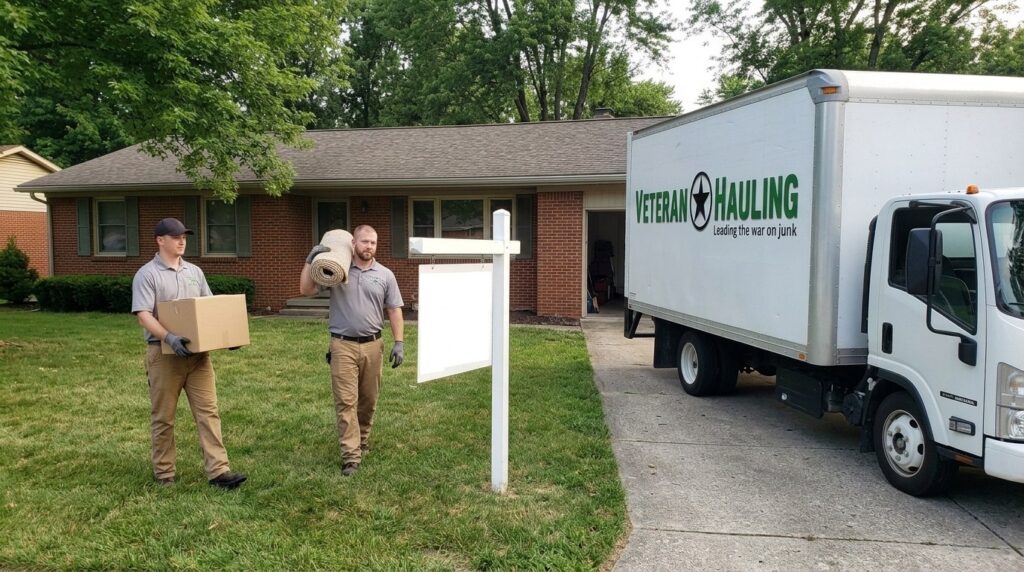
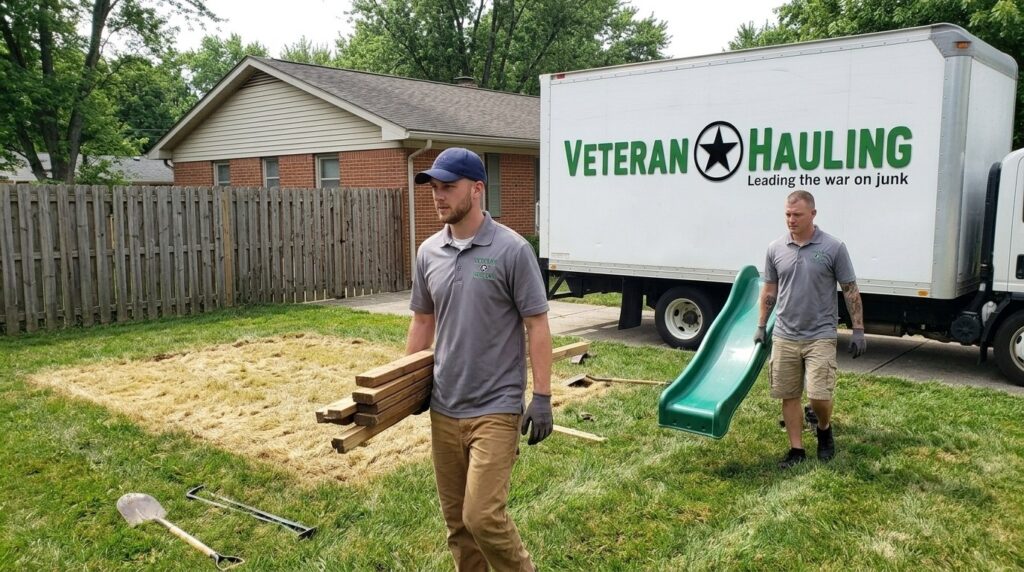
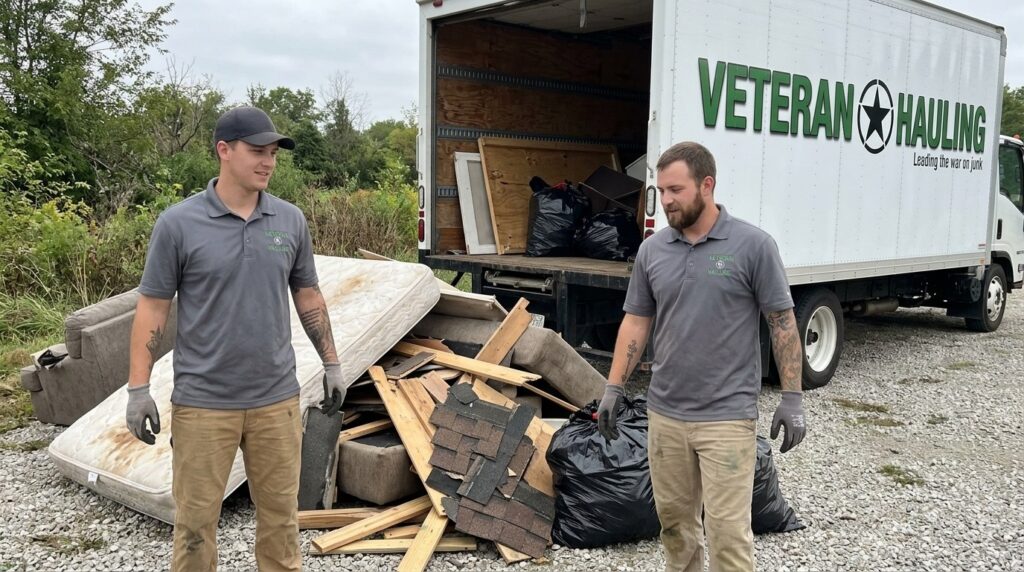
For large-volume removal of non-donatable items, junk removal in Indianapolis can handle everything from furniture to general debris efficiently and responsibly. Hazardous materials, expired medications, and biohazard items require special disposal — Indianapolis residents can use the city’s ToxDrop program for safe handling.
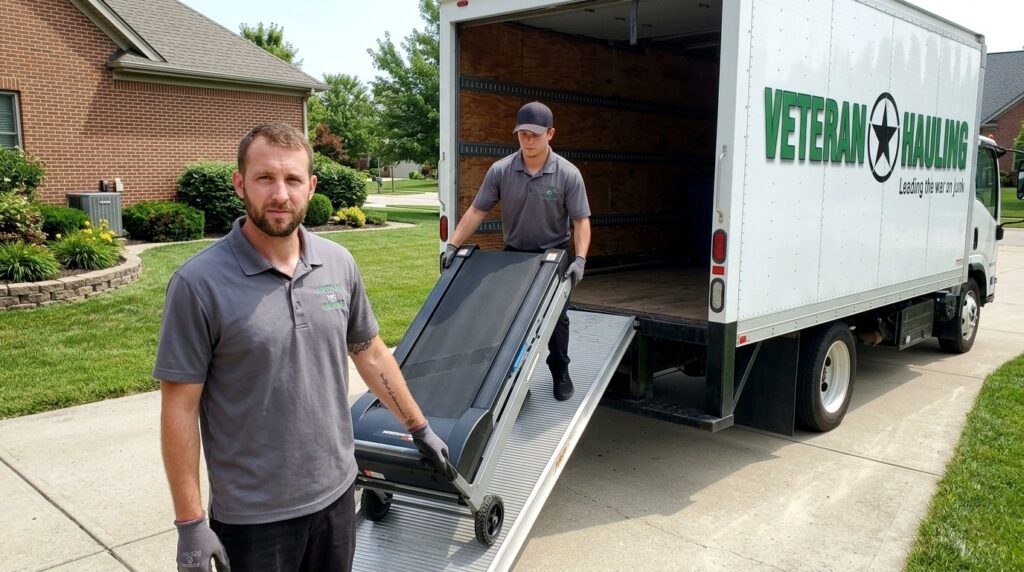
Furniture removal is a common need during hoarding cleanup when large items block progress, and garage cleanouts in Indianapolis often become necessary once the interior work reveals overflow storage areas.
How Much Does Hoarding Cleanup Cost in Indianapolis and What Are Affordable Options?
Realistic Indianapolis Price Ranges Families Should Expect
Light hoarding cleanup (levels 1–2) in Indianapolis typically ranges from $1,000 to $3,000 depending on home size and volume of items removed. Moderate to severe hoarding (levels 3–5) can range from $3,000 to $15,000+, especially when biohazard remediation, structural repair, or extensive estate cleanouts in Indianapolis are needed.
Factors that increase cost include biohazard presence, pest remediation, number of rooms, accessibility challenges, and specialized disposal requirements.
Affordable and Sliding-Scale Options for Families on a Budget
Some Indianapolis cleanup companies offer payment plans or phased cleanup approaches that spread the cost across multiple visits — always ask about flexible pricing. Community resources such as local churches, volunteer organizations, and neighborhood associations sometimes coordinate free cleanup help for elderly or disabled residents.
Handling apartment cleanouts in Indianapolis and storage unit cleanouts in Indianapolis as separate, smaller projects can help manage costs incrementally. It’s also worth checking whether homeowner’s or renter’s insurance covers any portion of cleanup, particularly when there is documented property damage.
Understanding What You’re Paying For — Value Beyond Removal
Professional hoarding cleanup includes not just hauling items away but sorting, sanitizing, identifying hazards, and treating the space and the person with dignity. Companies experienced in estate cleanouts understand the emotional weight of every item and work at a pace that respects the homeowner.
The cost of not cleaning — including potential code violations, health emergencies, pest damage, and declining property value — often far exceeds the investment in compassionate junk removal and professional help.
Hoarding cleanout in Indiana?
Veteran-owned with compassion-first crews who handle hoarding work without judgment, 600+ five-star reviews across central Indiana, free on-site walkthrough.
What Indianapolis Resources Are Available for Hoarding Support and Mental Health?
Local Therapists and Mental Health Professionals
The International OCD Foundation’s therapist directory includes Indianapolis-area providers who specialize in hoarding disorder and cognitive behavioral therapy (CBT). Community Health Network and Eskenazi Health also offer behavioral health services that can address hoarding as part of broader treatment.
For grief-triggered accumulation specifically, Indianapolis grief counselors and bereavement support groups can address the root cause while cleanup addresses the symptoms.
Indianapolis-Specific Regulations and Legal Considerations
Indianapolis code enforcement can issue violations for properties deemed unsafe due to hoarding conditions. Publicly available CDC health statistics reference files and similar government datasets underscore how agencies track and classify conditions that affect residential safety, and understanding the compliance timeline helps families plan cleanup strategically rather than reactively.
Tenants facing eviction should contact Indiana Legal Services for free legal guidance. In cases involving elderly residents, Adult Protective Services through the Indiana Division of Aging may provide case management and connect families with local support resources.
Community Support and Ongoing Connection
The Anxiety & Depression Association of America lists hoarding-specific support groups, and virtual options make these accessible to Indianapolis families who prefer anonymity. Connecting with others who have navigated hoarding cleanup — through online forums, local groups, or family therapy — reduces isolation and provides practical wisdom from lived experience.
How Do You Prevent Hoarding Relapse and Maintain a Clean Home Long-Term?
Creating a Sustainable Maintenance Plan
Schedule a weekly 15-minute “maintenance sweep” of high-risk areas — kitchen counters, entryways, bedroom surfaces — to catch accumulation before it builds momentum. Implement a “one in, one out” rule for new purchases, and set up a regular donation schedule with a designated box near the door.
These small habits transform discarding from an emotional event into a simple routine. Even simple tools — much like a word list used in computer science — work because they provide a repeatable framework that removes guesswork from the process.
The Two-Phase Approach — Emergency Reset Followed by Ongoing Support
Phase one is the initial cleanup that restores the home to a safe, livable condition — this is the crisis intervention that Indianapolis estate cleanout professionals handle. Phase two is the long-term maintenance that prevents relapse, including regular check-ins from family, periodic professional cleaning, and continued therapy.
Without phase two, hoarding recurrence rates are extremely high. The cleanup itself is only the beginning.
When to Seek Professional Help Again
If clutter begins re-accumulating to the point where daily living activities are affected, it’s time to revisit the maintenance plan. Changes in mental health — new grief, worsening depression, or increased anxiety — are early warning signs that additional support is needed.
Don’t wait for the situation to return to its worst state. Early intervention during mild re-accumulation is far easier, less expensive, and less emotionally taxing for everyone involved. Systematic approaches to identifying problems early — not unlike how a spell-check reference file flags errors — can help families catch warning signs before they escalate.
Ready to Take the First Step Toward Helping Your Loved One in Indianapolis?
Helping a hoarder clean their home is not a single event — it’s a journey that requires patience, empathy, clear communication, and often professional partnership. You don’t have to figure this out alone. Between Indianapolis mental health resources, community support, and compassionate cleanup professionals, help is available at every stage.
The fact that you’re reading this guide means you already care deeply — and that love is the most powerful tool you have in this process.
Start with a conversation, not a cleanup. Use the scripts and strategies above to open dialogue with your loved one. Assess the severity of the situation and determine whether you need professional support, DIY strategies, or a combination of both. Breaking the process into manageable steps — similar to how a structured programming project breaks complex problems into smaller pieces — makes the whole journey feel less overwhelming.
When you’re ready for help with the physical cleanup, reach out for a confidential conversation about your family’s specific situation. Having the right words matters — as even a university word reference list reminds us — and the same is true when talking to your loved one about getting help. For related needs like furniture removal in Indianapolis or other cleanout services, these can be coordinated as part of a larger plan or handled independently. Whatever path you choose, know that taking this first step — educating yourself and approaching with compassion — is already making a difference.