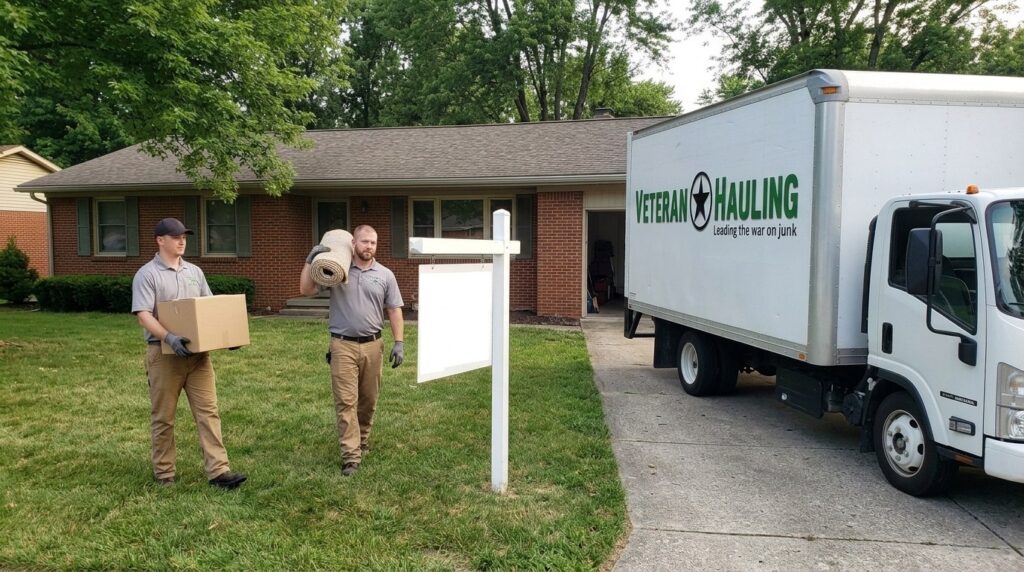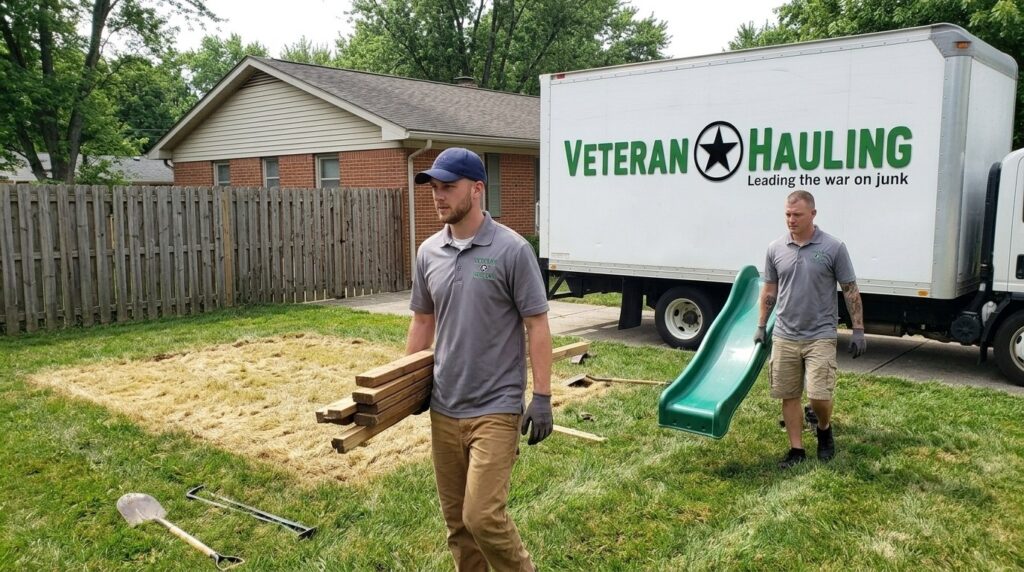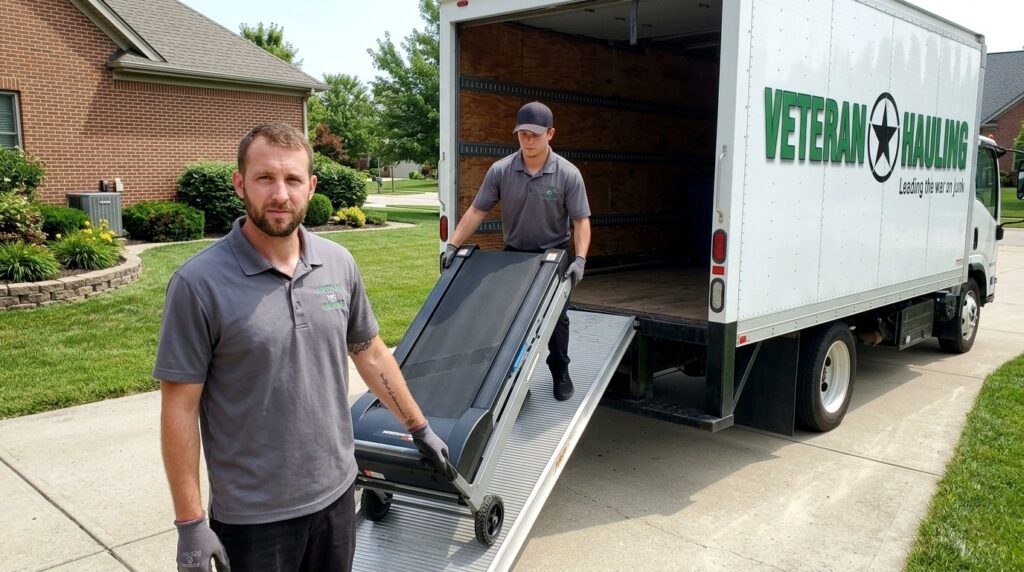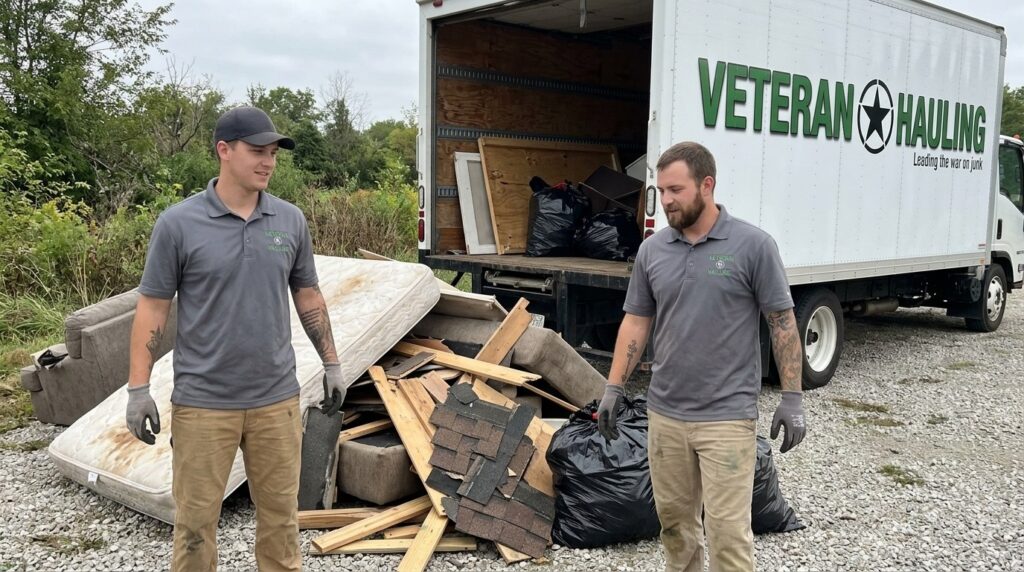

Foreclosure cleanouts in Indiana come with a unique set of legal, logistical, and financial challenges that generic guides simply don’t address. Whether you’re a property owner navigating the aftermath of foreclosure, a bank managing REO assets, or an investor preparing a distressed property for resale, understanding Indiana’s judicial foreclosure process and how it directly impacts your cleanout timeline is critical. This guide breaks down everything you need to know — from Indiana-specific abandoned property statutes and county disposal regulations to seasonal hazards, cost comparisons, and step-by-step planning checklists — so you can execute a compliant, efficient, and cost-effective cleanout.
Foreclosure cleanout in Indiana?
Veteran-owned crews experienced with REO and bank-owned property cleanouts across central Indiana, 600+ five-star reviews, fast turnaround for closing deadlines.
What Is the Indiana Foreclosure Timeline and How Does It Affect Cleanout Scheduling?
Understanding Indiana’s Judicial Foreclosure Process
Indiana is a judicial foreclosure state, meaning every foreclosure must go through the court system. This legal requirement directly impacts when a cleanout can legally begin. The 120-day pre-filing notice requirement and subsequent court proceedings create a timeline that property owners and banks must respect before entering and clearing a property.
The entire process — from initial default notice through sheriff’s sale — can take anywhere from six months to over a year. As outlined in Indiana’s banking and contract law framework, the judicial process provides structured protections for borrowers, but it also means that banks and investors must plan cleanout logistics well in advance of actually gaining possession.
Key Dates That Determine When You Can Start a Cleanout
The sheriff’s sale date and any applicable redemption period define the earliest point at which new owners or banks can legally take possession and begin cleanout work. In Indiana, the redemption period is typically waived by the court at the time of judgment, but this must be confirmed on a case-by-case basis.
Banks receiving properties via deed-in-lieu or sheriff’s sale should coordinate with legal counsel to confirm clear title and possession rights before scheduling any cleanout services. Premature cleanouts can expose banks and investors to serious liability — always verify that all occupants have been lawfully removed through proper Indiana eviction procedures.
How Foreclosure Intersects with Probate and Estate Situations
When a deceased homeowner’s property enters foreclosure, the cleanout process becomes significantly more complex. It intersects with Indiana probate law, where heirs are not personally responsible for the mortgage debt unless they cosigned, but estate assets — including the home — may be liquidated to satisfy outstanding obligations.
Getting a probate attorney involved early prevents costly legal mistakes, and estate cleanouts in these situations require careful documentation of all items before removal. Community forums consistently advise understanding debt obligations and consulting a lawyer when estates and foreclosures overlap, as the interplay between these two legal processes catches many families off guard.
Who Needs Foreclosure Cleanout Services in Indiana and Why?
Banks, REO Asset Managers, and Loan Servicers
Banks managing REO portfolios in Indiana need cleanouts completed quickly to minimize carrying costs — property taxes, insurance premiums, HOA fees, and code violation fines accumulate rapidly on vacant properties. Every week a property sits uncleared is money lost.
REO asset managers typically require specific documentation, including before-and-after photography, itemized reporting, and proof of insurance from cleanout contractors. Working with commercial cleanout services familiar with bank protocols streamlines this process considerably. As HUD research on revitalizing foreclosed properties with land banks demonstrates, institutional approaches to managing foreclosed property inventories depend on efficient turnover from acquisition to market-ready condition.
Real Estate Investors and House Flippers
Investors purchasing distressed Indiana properties at sheriff’s sales or through bank auctions often inherit properties full of abandoned belongings, debris, and deferred maintenance issues. What looks like a deal on paper can quickly become a financial burden without proper assessment.
Experienced investors consistently report hidden costs after purchasing foreclosed properties — roof replacements, water damage from poor land grading, and maintenance expenses that first-time buyers overlook. A thorough cleanout and assessment helps quantify true renovation costs before committing further capital. Budget-conscious investors can reduce costs with strategic junk removal prioritization, clearing hazardous and bulky items professionally while handling lighter work themselves.
Property Owners Facing Foreclosure and Property Managers
Indiana homeowners in pre-foreclosure may need to clean out belongings quickly before the sheriff’s sale date. Understanding what must be removed versus what can be left behind saves time and reduces legal headaches during an already stressful period.
Property managers tasked with preparing bank-owned homes for listing benefit from a systematic cleanout approach that addresses appliance removal, furniture hauling, and deep cleaning in a single coordinated effort rather than piecemeal scheduling that extends timelines unnecessarily.
What Are Indiana’s Legal Requirements for Foreclosure Cleanouts?
Tenant Notification and Abandoned Property Statutes
Indiana Code governs how personal property left behind by former occupants must be handled. Banks and new owners cannot simply discard belongings without following proper notification and waiting period requirements. Failure to comply can result in wrongful disposal claims and financial liability.
Tenants in foreclosed properties are also protected under the federal Protecting Tenants at Foreclosure Act, which may require 90-day notice before eviction even after the property changes hands. Research on judicial and nonjudicial approaches to zombie properties underscores the legal complexity surrounding occupant rights and property disposition in foreclosure contexts. Document all personal property found on-site with photographs, written inventories, and date-stamped records to create a defensible paper trail.
Indiana County-by-County Disposal Regulations
Indiana does not have a single statewide disposal regulation. Landfill fees, accepted materials, recycling requirements, and hazardous waste disposal procedures vary significantly by county. Marion County, Lake County, Allen County, and St. Joseph County each operate different solid waste management districts with specific rules for bulk disposal, appliance recycling (including Freon removal requirements), and electronics disposal.
Research from the Center for Community Progress on establishing a land bank in South Bend and St. Joseph County highlights how regional approaches to property management differ across Indiana communities. HUD’s overview of turning vacant properties into assets provides additional policy context for institutional stakeholders navigating these regional differences.
Liability, Insurance, and Documentation Requirements for Banks
Banks and institutional property owners in Indiana typically require cleanout contractors to carry general liability insurance ($1M minimum), workers’ compensation, and sometimes environmental liability coverage. These requirements are non-negotiable for most REO asset management companies.
Detailed reporting — including before-and-after photos, itemized disposal manifests, and signed completion certificates — is standard for REO cleanout work and protects all parties from future disputes. Indiana’s real estate division manual provides state-level property management documentation standards that inform best practices for institutional cleanout reporting.
What Does a Step-by-Step Foreclosure Cleanout Process Look Like?
Initial Property Assessment and Safety Inspection
Before any cleanout work begins, conduct a thorough walk-through to assess the scope of work, identify safety hazards — mold, asbestos, structural damage, pest infestations, standing water — and estimate disposal volume. This step is non-negotiable regardless of whether you’re handling the work yourself or hiring a contractor.
Check for signs of vandalism, copper theft, squatter activity, and illegal dumping. These issues are common in Indiana foreclosed properties, especially those vacant for extended periods. Create a detailed assessment report with photos that serves as the baseline for cost estimation, insurance claims, and contractor scoping.
Sorting, Removing, and Disposing of Property Contents
Work systematically room by room, sorting items into clear categories: trash, recyclable materials, potentially hazardous waste, items of value, and personal property requiring legal hold. This structured approach prevents costly mistakes and ensures compliance with abandoned property statutes.
Different categories of items require different handling. Furniture removal, appliance hauling, and construction debris removal often need separate disposal methods, hauling trips, or specialized equipment. Budget-conscious approaches include repurposing usable items, donating to Indiana Goodwill or Habitat for Humanity ReStores, and minimizing landfill fees by separating recyclable metals and materials.
Deep Cleaning, Securing, and Final Preparation
After all contents are removed, deep clean all surfaces including floors, walls, windows, and fixtures. This is especially critical for properties with mold, pet damage, or biohazard contamination where surface cleaning alone won’t suffice.
Secure the property by changing locks, boarding broken windows, winterizing plumbing if applicable, and ensuring all utilities are properly shut off or transferred. Garage cleanouts are often the last area addressed but frequently contain hazardous materials like paint, chemicals, and oil requiring special disposal — don’t overlook outbuildings and exterior areas.
Foreclosure cleanout in Indiana?
Veteran-owned crews experienced with REO and bank-owned property cleanouts across central Indiana, 600+ five-star reviews, fast turnaround for closing deadlines.
How Much Does a Foreclosure Cleanout Cost in Indiana — DIY vs. Professional?
DIY Cleanout Cost Breakdown for Indiana Properties
Dumpster rental in Indiana typically runs $300–$600 for a 20-yard container on a 7-day rental, with landfill disposal fees adding $50–$150 per ton depending on the county. These base costs add up quickly for properties with heavy contents.
Factor in personal protective equipment ($50–$100), cleaning supplies ($50–$150), utility reconnection fees for water and electric during cleaning, and the value of your time. A full cleanout of a 3-bedroom home typically takes 2–4 full days of labor for 2–3 people. Hidden DIY costs include unexpected hazardous material disposal fees, potential injury without proper training, and the risk of improper disposal leading to fines.
Professional Foreclosure Cleanout Pricing in Indiana
Professional cleanout services in Indiana generally range from $1,500 to $5,000+ for a full-home foreclosure cleanout, depending on property size, contents volume, and hazard level. Properties with hoarding conditions or biohazard contamination fall at the higher end of this range.
Pricing for foreclosure cleanout in Indianapolis may carry different structures based on documentation requirements and turnaround timelines. Banks and REO managers often negotiate volume pricing across multiple properties — always request both per-property and portfolio-based quotes to compare.
When Professional Services Pay for Themselves
Properties with mold, biohazards, hoarding conditions, or structural concerns almost always warrant professional cleanout to manage liability and health risks. Studies on foreclosures’ impact on nearby property values demonstrate that the condition of foreclosed homes directly affects surrounding neighborhoods, making thorough professional remediation an investment that extends beyond the individual property.
Professional services also provide documentation packages that satisfy bank and insurance requirements. Attempting this independently often results in incomplete records and compliance gaps that create problems months later.
What Seasonal Hazards Should You Watch for in Indiana Foreclosure Cleanouts?
Winter and Spring Risks in Vacant Indiana Properties
Burst pipes are one of the most common and expensive problems in vacant Indiana homes during winter. If the property wasn’t winterized, expect water damage to walls, floors, and foundations once temperatures drop below freezing. Repair costs can reach thousands of dollars.
Spring thaw and heavy rains can reveal basement flooding, foundation cracks, and exterior drainage problems that were hidden during colder months. Schedule cleanouts to allow for thorough moisture and mold inspection, especially in basements and crawl spaces.
Summer Humidity, Mold, and Pest Infestations
Indiana’s humid summers create ideal conditions for mold growth in closed-up, unventilated foreclosed homes. Mold remediation can add $1,000–$10,000+ to cleanout costs depending on severity and affected area.
Pest infestations — rodents, insects, raccoons — are common in properties vacant for more than a few months and may require professional extermination before cleanout work can safely begin. Plan cleanout timing strategically: early fall often offers the best combination of moderate temperatures, lower humidity, and reduced pest activity for Indiana properties.
How Do You Hire the Right Foreclosure Cleanout Contractor in Indiana?
Indiana-Specific Licensing, Insurance, and Vetting Checklist
Verify general liability insurance (minimum $1M), workers’ compensation coverage, and commercial auto insurance. Request certificates of insurance naming your entity as additional insured before any work begins.
Indiana does not require a specific “cleanout contractor” license, but contractors hauling waste must comply with Indiana Department of Environmental Management (IDEM) regulations for waste transport and disposal. Ask for references from Indiana banks, REO managers, or property management companies — experience with institutional cleanout protocols is a significant differentiator.
Red Flags and Questions to Ask Before Hiring
Avoid contractors who cannot provide proof of proper disposal. Illegal dumping creates liability for the property owner or bank, not just the contractor, and Indiana enforcement agencies take this seriously.
Request a detailed written scope of work, itemized pricing, and a timeline before signing any agreement. Confirm the contractor’s capacity to handle your specific needs — construction debris removal requires different equipment and disposal methods than standard household cleanout, and not every provider handles both.
Ready to Start Your Indiana Foreclosure Cleanout — What’s the Best Next Step?
Building Your Foreclosure Cleanout Action Plan
Start with legal verification: confirm possession rights, check for tenant protections, and review Indiana abandoned property statutes before touching anything in the home. As an overview of secured transactions in property law illustrates, understanding the legal framework governing property interests is essential before initiating any physical cleanout work.
Conduct or commission a thorough property assessment to identify hazards, estimate scope, and determine whether DIY or professional service is the right approach for your situation and budget. Use this guide as your planning checklist and adapt it to your specific property type, timeline, and institutional requirements.
Connecting with Indiana Cleanout Professionals
Whether you’re a bank managing a portfolio of REO properties across Indiana or a homeowner facing a single property cleanout, having experienced local support makes the process faster, safer, and more compliant. Contact us to discuss your Indiana foreclosure cleanout needs — we serve property owners, banks, investors, and property managers with comprehensive cleanout services tailored to Indiana’s legal and logistical requirements.
For institutional stakeholders seeking broader policy frameworks, research on vacancy, land banking, and property governance offers valuable guidance on managing foreclosed property challenges at scale. HUD’s research on strategies for vacant and abandoned properties provides additional perspective on systemic approaches to these issues. The key takeaway from this entire guide is straightforward: know your legal obligations first, assess the property thoroughly second, and then execute the cleanout with the right resources for the job. Following this sequence — whether you’re handling one property or one hundred — will save you time, money, and legal exposure every time.