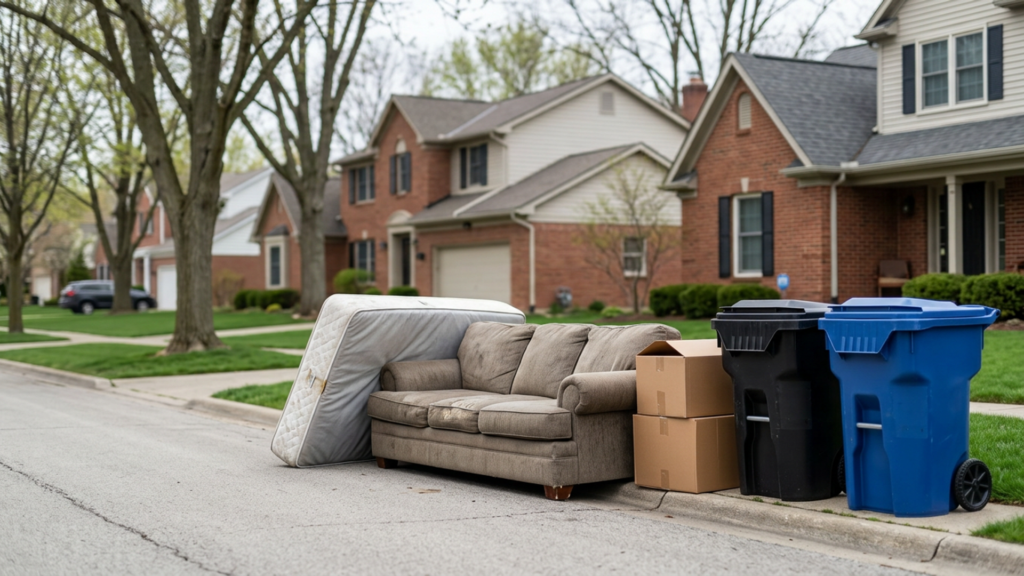
Indianapolis made a major shift in waste services by transitioning to LRS (Lakeshore Recycling Systems) as the city’s new trash and recycling provider — and the change has left many Marion County residents confused about heavy trash pickup rules, schedules, and what’s actually accepted at the curb. If you’re wondering when your 2026 heavy trash day is, what the 2-item limit really means, or why LRS left that old couch sitting in your yard, this guide breaks it all down. Below you’ll find district-by-district schedules, the complete list of items LRS won’t take, and practical workarounds when city pickup isn’t enough.
Need to haul more than the city will take?
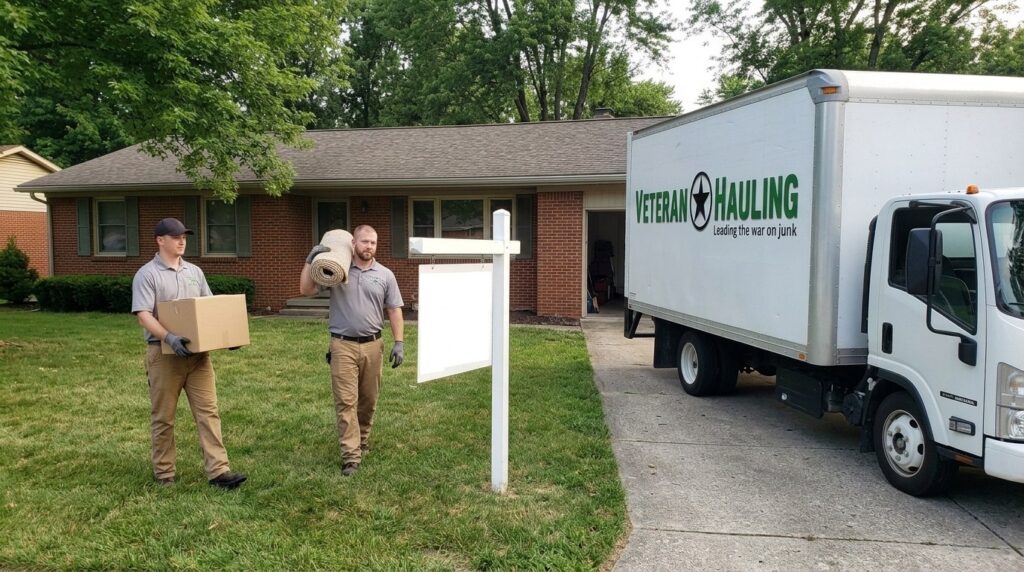
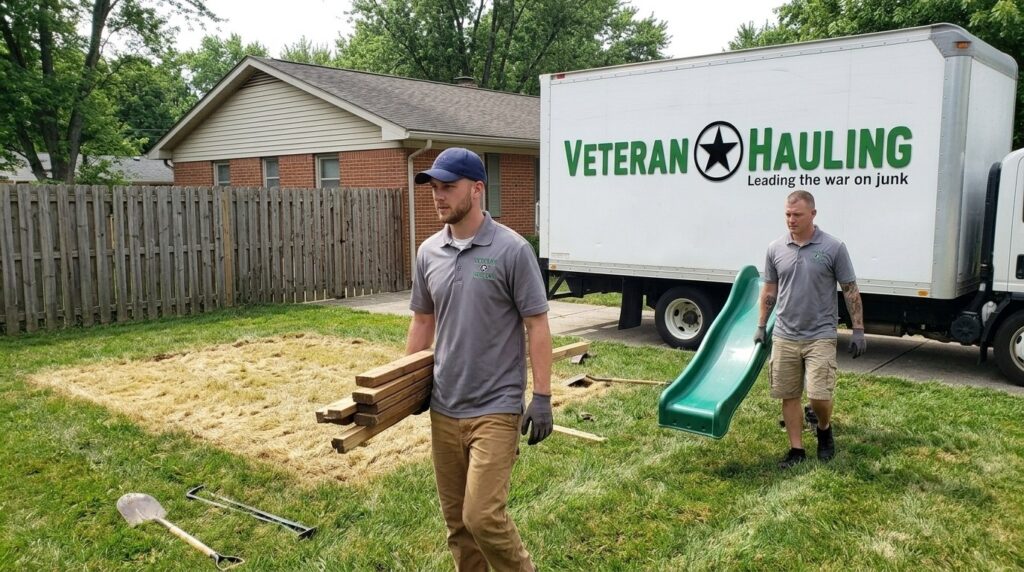
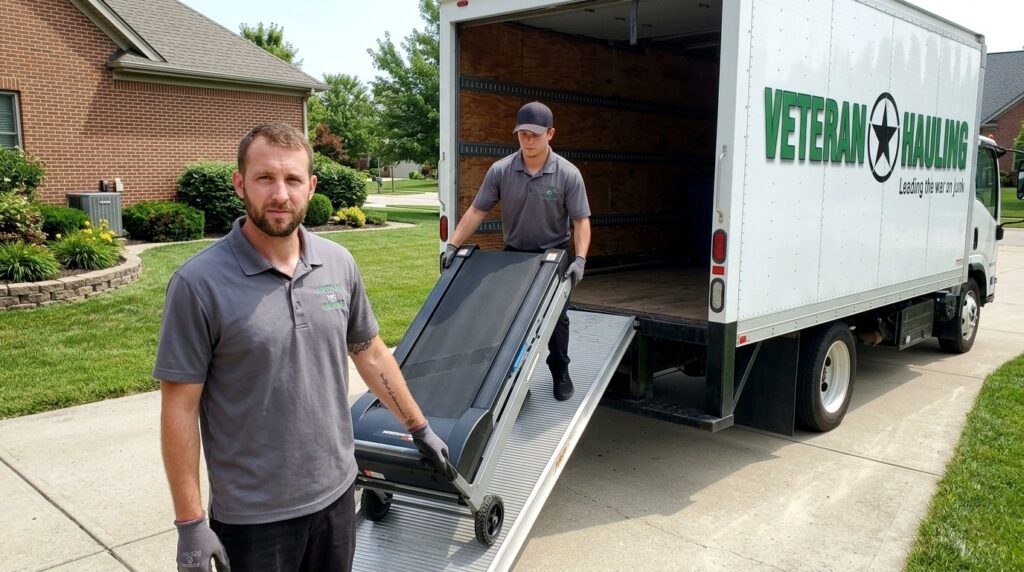
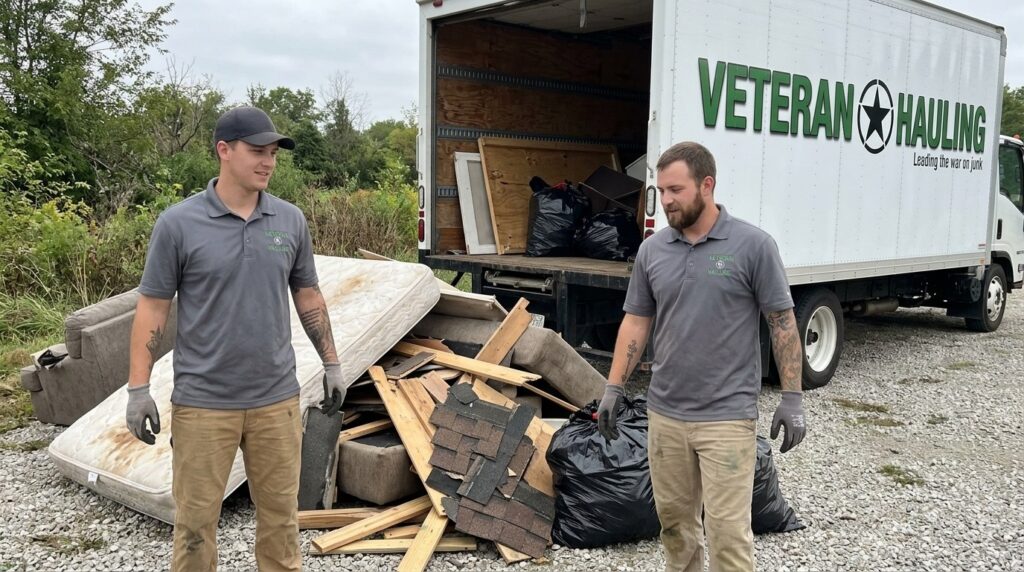
Veteran-owned, 600+ five-star reviews. We pick up everything the city will not, often the same day you book, free on-site quote.
What Changed With the LRS Transition for Indianapolis Trash Service in 2026?
LRS Replaces Republic Services as the City Provider
LRS officially took over Indianapolis residential trash, recycling, and heavy trash collection as part of a new DPW contract. New gray DPW carts were distributed across Marion County, and residents must use the issued carts — old bins are no longer serviced. The transition caused widespread confusion about bin placement, pickup days, and which rules carried over, so DPW published trash cart transition FAQs to address the most common questions.
Key Differences Between Old Rules and New LRS Policies
Heavy trash pickup shifted from a scheduled bulk week to a monthly 2-item limit per household. Bin spacing and placement requirements also changed — carts must be 3 feet apart and away from obstacles like mailboxes and parked cars. Recycling contamination rules are now more strictly enforced under LRS, with potential for skipped bins if non-recyclables are found inside.
Navigating the Timeline and Rollout
Cart distribution happened in phases by district, and some neighborhoods received carts weeks before service officially switched. Residents in cul-de-sacs and tight street layouts reported particular confusion about where to place carts when city guidance didn’t account for non-standard layouts. DPW’s website and the RequestIndy app were updated to reflect new LRS schedules, but many residents found the information fragmented across multiple pages.
What Is the 2026 Heavy Trash Pickup Schedule by District?
How to Find Your Specific Pickup Day
Visit Indy.gov and enter your address to find your assigned trash district (A through F) and corresponding heavy trash pickup week. Heavy trash is collected on the same day as your regular trash pickup, but only during your district’s designated monthly window. Bookmark or screenshot your schedule — DPW does not mail printed calendars.
2026 Monthly Heavy Trash Calendar Overview
Each district receives one heavy trash pickup per month, rotating on a fixed schedule throughout the year. Spring months (April–June) tend to see the highest volume and occasional delays, so plan accordingly. Winter weather and storm events can push scheduled pickups back by a day or more — check RequestIndy for real-time updates.
Printable Schedule and Alerts
No official downloadable 2026 calendar exists yet, so create your own using district dates from Indy.gov. Sign up for DPW text or email alerts to receive notifications about schedule changes and weather delays. Consider saving the district schedule to your phone’s calendar app with recurring reminders so nothing sneaks up on you.
What Are the Heavy Trash Pickup Limits Under LRS?
The 2-Item Monthly Rule Explained
Each household is limited to 2 heavy or bulky items per monthly pickup — no exceptions from LRS at the curb. Items must be placed curbside by 6 a.m. on your scheduled pickup day, separate from your gray cart. “Heavy trash” includes furniture, mattresses, appliances (doors removed), and other large household items that don’t fit in the cart.
Weight and Size Restrictions Per Item
Individual items must be manageable for a two-person crew — generally under 75–100 pounds. Items longer than 8 feet or wider than 4 feet may be refused, so disassemble large items when possible. Bundled materials like lumber or shelving should be tied together and kept under size limits.
Workarounds When 2 Items Aren’t Enough
After a move, renovation, or estate cleanout, the 2-item limit is often insufficient — consider scheduling junk removal in Indianapolis for overflow. The Citizens Transfer Station on South Harding Street accepts self-hauled bulky items for a fee, and donation pickups from organizations like Habitat for Humanity ReStore can handle furniture and appliances in good condition. For full-home cleanouts, professional estate cleanout services in Indianapolis or garage cleanouts in Indianapolis are the most efficient option.
What Will LRS NOT Take for Heavy Trash Pickup in Indianapolis?
Complete Prohibited Items List
-
Hazardous materials: paint, motor oil, pesticides, propane tanks, batteries, chemicals — must go to a ToxDrop event or permanent ToxDrop location
-
Construction and demolition debris: drywall, concrete, bricks, roofing shingles, lumber from remodels
-
Tires: not accepted curbside; must be taken to a tire recycler or designated city drop-off
-
Electronics and e-waste: TVs, monitors, computers, and printers are banned from landfill pickup
A January 2026 IDEM recycling meeting transcript confirmed that Indiana continues to strengthen diversion policies, making proper disposal of these items even more important. For construction materials, you’ll need a dedicated construction debris removal in Indianapolis, and electronics require a TV and e-waste disposal in Indianapolis.
Appliances and Items With Special Handling Requirements
Refrigerators, freezers, and AC units containing refrigerant are not accepted unless the Freon has been professionally removed and tagged — consider refrigerator disposal in Indianapolis for safe and compliant handling. Appliances with doors must have doors removed or secured shut for safety before LRS will collect them. Hot water heaters and furnaces are generally refused due to weight and plumbing components.
Commonly Rejected Items Residents Don’t Expect
-
Loose household trash bags placed next to heavy items (must be inside the gray cart)
-
Auto parts, engines, and vehicle components of any kind
-
Dirt, gravel, sod, and landscaping materials — not considered heavy trash or yard waste
-
Mattresses and box springs that are soaking wet, heavily soiled, or infested may be skipped — for guaranteed removal, use a mattress disposal service in Indianapolis
Need to haul more than the city will take?
Veteran-owned, 600+ five-star reviews. We pick up everything the city will not, often the same day you book, free on-site quote.
What Should You Do When LRS Leaves Your Heavy Item Behind?
How to Report a Missed or Refused Pickup
File a service request through the RequestIndy app or call DPW’s customer service line within 24 hours of the missed pickup. Include a photo of the item at the curb and note whether a rejection tag was left on it. LRS typically returns within 2–3 business days for verified missed pickups, but rejected items require resident action.
Alternative Disposal Options for Refused Items
For furniture left behind, schedule furniture removal in Indianapolis or couch and sofa removal in Indianapolis for same-week pickup. Hazardous items must go to a ToxDrop facility — Indianapolis operates a permanent site plus seasonal mobile events throughout Marion County. For appliances and large volumes of junk, professional appliance removal in Indianapolis handles items LRS won’t touch.
Avoiding Rejected Items in the Future
Always check the prohibited items list before placing anything at the curb. Disassemble large items, remove doors from appliances, and keep each piece under weight limits. When in doubt, call DPW before your pickup day to confirm whether a specific item qualifies.
Does Heavy Trash Pickup Apply to Apartments, Condos, and HOA Communities?
Multi-Family Housing Eligibility
DPW’s curbside heavy trash service generally applies to single-family homes and duplexes within Marion County. Apartments and large multi-family complexes typically contract with private haulers — LRS city service does not cover them. Check with your property manager to confirm whether your building is enrolled in city service or uses a private provider.
HOA-Managed Communities
Some HOA neighborhoods have specific rules about when and where heavy items can be placed — these may be stricter than city guidelines. Municipal governments across the country, including places like Hudson, NH, which documents waste standards in meeting packets, show how local boards often set additional rules that HOAs may mirror. Residents should verify with both their association and DPW to avoid fines or rejected items.
Condo and Townhome Gray Areas
Townhomes with individual curbside access may qualify for city heavy trash service, while attached condos with shared dumpsters typically do not. If your community is excluded from city pickup, private junk removal services in Indianapolis are the most reliable alternative. Contact DPW directly with your address to get a definitive answer on your eligibility.
How to Stay Ahead of Indianapolis Heavy Trash Pickup Changes in 2026
The LRS transition is still new, and policies may be adjusted based on resident feedback and city council decisions throughout 2026. Much like how historical shifts in municipal services were documented in archived Sanford Herald collections, staying on top of evolving city policies requires ongoing attention. Here’s what to do right now:
-
Build your calendar. Map out all 12 monthly heavy trash dates using your district assignment and set phone reminders for the day before each pickup.
-
Know the limits. Two items per month, under 100 pounds each, no prohibited materials — period.
-
Have a backup plan. The 2-item limit and prohibited items list mean most households will eventually need an alternative, whether that’s ToxDrop for hazardous waste, the Citizens Transfer Station for self-haul, or professional junk removal for everything else.
-
Plan large projects early. For renovations, moves, or estate cleanouts, arrange disposal before the project starts rather than relying solely on monthly curbside pickup.
Stay informed by following DPW on social media, subscribing to alerts, and checking Indy.gov quarterly for updated service guidelines. Researching how other communities handle waste policy — from roofing trade publications on OSHA compliance to local government meeting minutes — can also give you useful context for understanding upcoming changes. A single call to DPW or a quick visit to RequestIndy can save you from a rejected item sitting at your curb for weeks.
Understanding the broader regulatory landscape helps too. Federal and state agencies maintain resources like the USDA special collections on agricultural policy that document how waste and environmental policies have evolved over decades. Similarly, academic archives such as the Lebanese studies digital collection at NC State and historical specimen books of type styles remind us that community record-keeping has always been essential for civic engagement. Legislative efforts around community protection, including congressional hearings on violence prevention, and even discussions in publications like the Fundamentalist Journal from the 1980s, show how public policy debates shape the services residents rely on today.